Introduction (Best AI Productivity Tools)
The way we work has changed a lot over the years. In the past most professionals used a few office programs. Now many of us handle dozens of tools every single day. Emails, calendars, documents, meetings, project management platforms, chat apps and research tools all pull for our attention. While these tools help us stay connected constantly switching between them often leads to lost time focus and lower productivity.
Whether you are a freelancer handling clients, a student managing assignments, a content creator who posts regularly or part of a growing business team AI can make your daily tasks simpler. AI can help you get more done in time.
To help you decide which tool is right for you we. Compared the 15 best AI productivity tools, for 2026. This guide covers AI features AI pricing, AI strengths, AI limitations and AI ideal use cases. That way you can pick the software that fits your workflow and your budget. The best AI productivity apps can help AI repetitive work AI organize information and AI improve your daily workflows.
The AI productivity tools 2026 market includes everything from AI assistants and research platforms to scheduling and automation software.
Also Read: 25 Best Free AI Tools in 2026: Top Picks Compared
From Traditional Software to Intelligent AI Assistants
For years productivity software acted as a digital replacement, for paper. Calendar apps stored appointments. Note-taking apps stored information. Project management platforms tracked tasks. Email applications handled communication. These tools improved organization.. They still relied heavily on manual input.
If your schedule changed you had to rearrange meetings yourself. If a project expanded you manually created tasks. If someone shared information during a meeting you had to write notes and update project documents afterward.
Today’s AI-powered productivity platforms work differently.
Of waiting for instructions many modern applications can understand context. They can recognize patterns. They can automate processes. A smart calendar can reorganize your schedule after a meeting. AI meeting assistants can record conversations. They can generate summaries. They can identify action items automatically. Knowledge management tools can instantly locate information hidden inside thousands of documents. They do this without requiring tags or folders.
This shift transforms productivity software from passive storage systems into intelligent assistants that actively support your daily work.
Rather than replacing human decision-making, AI reduces administrative work, allowing professionals to focus on strategic planning, collaboration, creativity, and problem-solving.
Modern AI tools for productivity can reduce repetitive tasks and give professionals more time for focused work.
Table of Contents
Core Categories of AI Productivity Software
Although hundreds of AI tools are available today, most fall into a few major categories. Understanding these categories makes it much easier to build a productivity stack that matches your needs.
Today’s AI productivity software can be grouped into several categories based on the type of work they automate.
1. General AI Assistants
These platforms handle a wide variety of tasks, including writing, brainstorming, research, coding, summarization, and content creation.
Examples:
- ChatGPT
- Claude
- Google Gemini
- Microsoft Copilot
2. AI Knowledge Management
These applications organize notes, documents, and company information, making it easier to search, retrieve, and manage knowledge.
Examples:
- Notion AI
- Mem AI
3. AI Research & Search
Instead of displaying hundreds of search results, these tools provide direct answers backed by reliable online sources.
Example:
- Perplexity AI
4. AI Writing Assistants
Designed to improve grammar, clarity, tone, and writing quality while helping users create content more efficiently.
Example:
- Grammarly
5. AI Project & Task Management
These platforms help teams organize projects, assign work, monitor progress, and automate routine project updates.
Example:
- ClickUp AI
6. AI Scheduling & Time Management
Smart scheduling tools automatically organize calendars, prioritize important work, and protect focus time throughout the day.
Examples:
- Motion
- Reclaim AI
7. AI Meeting Assistants
These tools record meetings, generate transcripts, summarize discussions, and extract action items automatically.
Examples:
- Otter AI
- Fireflies AI
8. AI Automation & Workflow Platforms
Workflow automation software connects different applications, reducing repetitive manual work across your entire technology stack.
Examples:
- Zapier AI
Quick Comparison: Best AI Productivity Tools 2026
| Tool | Best For | Free Plan | Starting Price | Rating |
|---|---|---|---|---|
| ChatGPT | Best overall productivity assistant | Yes | From $8/mo* | 4.8/5 |
| Claude | Long-form writing & documents | Yes | $20/mo | 4.8/5 |
| Google Gemini | Google Workspace users | Yes | From $19.99/mo | 4.6/5 |
| Microsoft Copilot | Microsoft 365 users | Yes | From $20/user/mo | 4.6/5 |
| Notion AI | Knowledge management | Limited | From $20/user/mo | 4.7/5 |
| Perplexity | Research & fact-checking | Yes | $20/mo | 4.7/5 |
| Grammarly | Writing & editing | Yes | From $12/mo* | 4.5/5 |
| ClickUp Brain | Project management | Limited | From $9/user/mo | 4.5/5 |
| Motion | AI scheduling | Trial | $19/seat/mo | 4.6/5 |
| Reclaim AI | Calendar & focus time | Yes/Trial* | From $8/user/mo* | 4.6/5 |
| Otter | Meeting notes & transcription | Yes | From $8.33/mo* | 4.4/5 |
| Fireflies | Meeting intelligence | Yes | From $10/mo* | 4.5/5 |
| Gamma | AI presentations | Yes | From $8/mo* | 4.6/5 |
| Mem | AI note organization | Yes | From $8.33/mo* | 4.3/5 |
| Zapier | Workflow automation | Yes | From $19.99/mo* | 4.7/5 |
Note: AI tool pricing can change over time. Prices, plans, features, and free-plan limits may vary by region, billing cycle, or subscription type. We recommend checking the official pricing page of each tool before making a purchase.
How We Compared These AI Productivity Tools
We compared these tools based on their core productivity features, ease of use, AI capabilities, integrations, free-plan availability, pricing, and the types of users they are designed for.
1. Ease of Use
We measured how quickly a new user could start using the software without extensive setup or training.
2. AI Performance
We compared response quality, reasoning ability, writing accuracy, context handling, and overall reliability across different types of tasks.
3. Productivity Features
We looked at how effectively each tool reduced repetitive work through automation, intelligent suggestions, and workflow optimization.
4. Integrations
We examined compatibility with popular platforms such as Google Workspace, Microsoft 365, Slack, Zoom, Notion, Jira, Trello, GitHub, and other commonly used business applications.
5. Speed and Reliability
Response times, application stability, synchronization, and overall user experience were evaluated during regular daily use.
6. Value for Money
Finally, we compared pricing, free plans, premium features, and overall value to determine which tools provide the best return on investment for different types of users.
Rather than selecting a single winner, our goal was to identify the best AI productivity tool for different workflows, budgets, and professional requirements.
1. ChatGPT (By OpenAI)
Overview
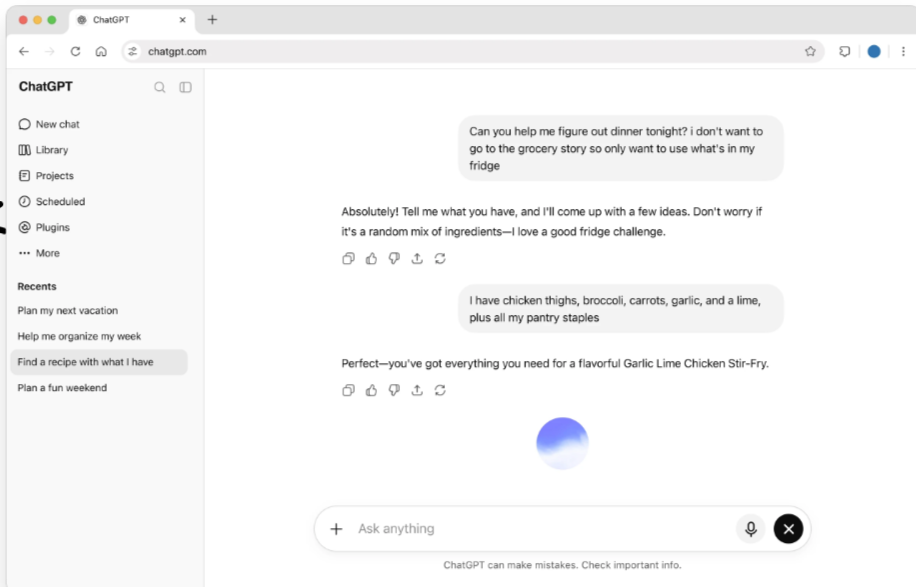
I have seen ChatGPT remain one of the versatile AI productivity tools in 2026. What started as an AI chatbot has grown into a productivity platform. ChatGPT helps with writing, research, coding, brainstorming, data analysis and even automates tasks.
ChatGPT’s flexibility is one of its strengths. ChatGPT does not focus on a task; ChatGPT adapts to kinds of work. This flexibility helps students, professionals, marketers, developers and business owners. For example need to write an email? ChatGPT can help. Need a report summarized? ChatGPT can handle that too. Want marketing content? ChatGPT is ready. Working with spreadsheets? ChatGPT can analyze the data. Need code written? ChatGPT can generate it. All of this happens in an interface.
ChatGPT also lets you speak with it. You can talk to ChatGPT or type. ChatGPT can look at images read documents and even use custom GPTs. These custom GPTs let users build assistants for tasks. That means you can create a version of ChatGPT that fits your needs.
Because of all these features ChatGPT is no longer a writing tool. ChatGPT has become an AI workspace. ChatGPT fits into every profession. Whether you are a student, a tech worker or a business owner ChatGPT can help you get more done.
Also Read: ChatGPT Review 2026: Features, Pricing, Pros & Cons (Complete Guide)
Key Features
- Advanced AI models capable of handling complex reasoning and detailed conversations.
- Multi-modal support for text, images, PDFs, spreadsheets, and voice interactions.
- Deep Research mode for gathering and organizing information from multiple sources.
- Custom GPTs that let users build AI assistants for specific workflows.
- AI-powered coding assistance for debugging, explaining code, and generating programs.
Pros
- Excellent all-purpose AI assistant suitable for almost every profession.
- Strong reasoning and problem-solving capabilities.
- Supports multiple content formats in a single conversation.
- Easy-to-use interface across web and mobile devices.
- Large ecosystem of custom GPTs for specialized tasks.
Cons
- Premium features require a paid subscription.
- Usage limits may apply during periods of heavy demand.
- Beginners may need time to explore its advanced capabilities.
Pricing
- Free: $0
- Plus: $8/month
- Pro: Higher-tier plans available for advanced users
- Business: Team pricing available
Free Plan: Yes
Best For: Writers, marketers, developers, freelancers, students, and professionals looking for an all-in-one AI productivity assistant.
2. Claude (by Anthropic)
Overview
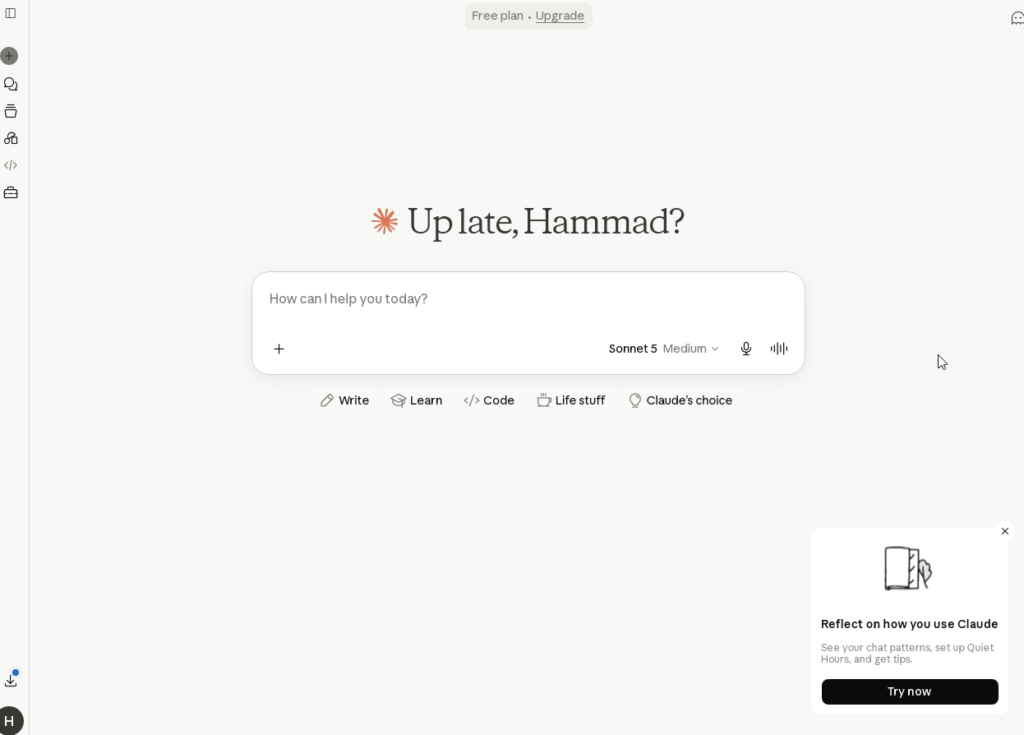
Claude has become well known as one of the AI assistants for writing long texts analyzing documents and having deep discussions. Unlike AI tools that focus on being fast Claude pays more attention to creating detailed organized and realistic answers.
One of the parts about Claude is its ability to deal with very big documents. People can upload reports, research articles, legal papers, technical files or big sets of code without having to worry about losing track of what they are working on. This makes Claude very helpful for people like researchers, lawyers, advisors and programmers who often work with a lot of information.
Claude also has features, like Artifacts, which let users change the documents, code and designs that are created in an area instead of having to look through long chats. This makes the process of working on tasks easier and more comfortable.
Also Read: Claude AI Review 2026: Features, Pricing, Pros & Cons (Complete Guide)
Key Features
- Large context window for analyzing lengthy documents.
- Artifacts workspace for editing documents and code separately.
- Strong long-form writing and summarization capabilities.
- Excellent support for programming and software development.
- Projects feature for organizing related conversations and reference materials.
Pros
- Produces natural, human-like writing with minimal editing.
- Excellent for research and document summarization.
- Handles large files without losing context.
- Clean and distraction-free interface.
- Reliable coding assistance for developers.
Cons
- Fewer built-in productivity features than some competitors.
- Paid plans are required for heavier workloads.
- Internet-connected features are more limited compared to dedicated research tools.
Pricing
- Free: $0
- Pro: $20/month
- Higher Plans: Available for advanced users and teams
Free Plan: Yes
Best For: Researchers, professional writers, legal teams, analysts, consultants, and developers working with large documents.
3. Google Gemini
Overview
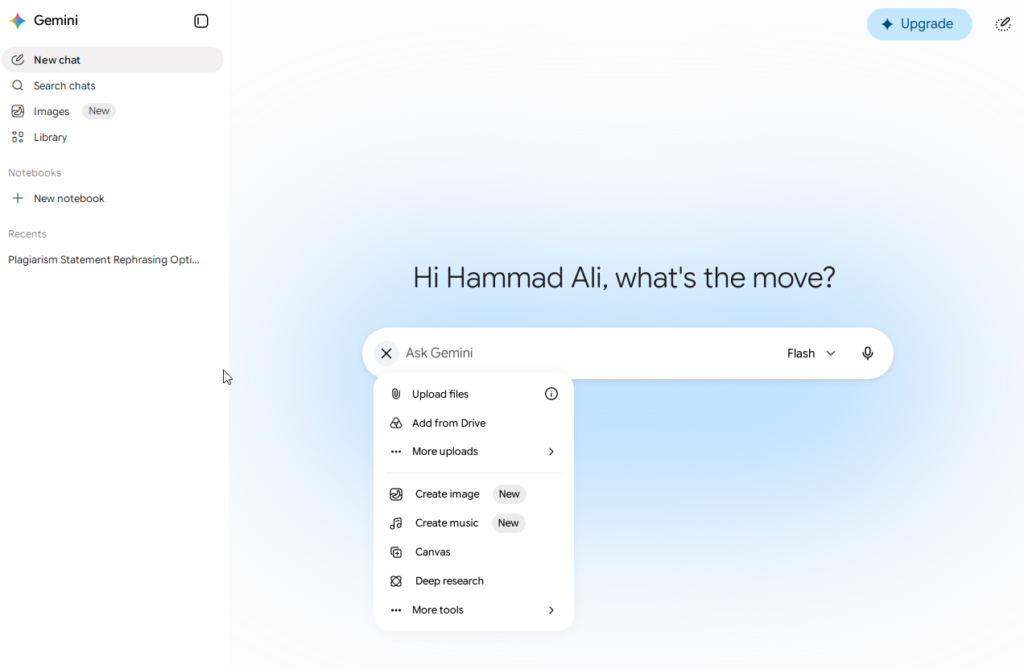
Google Gemini stands out because of its integration with the Google ecosystem. Of working as a separate AI program Google Gemini works together with familiar tools like Gmail, Google Docs, Google Sheets, Google Drive and Google Slides. This means users can complete tasks without switching between apps.
For people who already use Google Workspace Google Gemini offers an efficient experience. Google Gemini can summarize emails create documents analyze spreadsheets organize files in Google Drive and assist with research by using Google’s search technology.
Another strong point of Google Gemini is speed. It provides answers while still delivering strong performance for writing, brainstorming, coding and research. With Google’s productivity tools Google Gemini is useful, for both individuals and business teams.
Also Read: Google Gemini Review 2026: Features, Pricing, Pros & Cons (Complete Guide)
Key Features
- Native integration with Google Workspace applications.
- AI assistance inside Gmail, Docs, Sheets, and Slides.
- Real-time research powered by Google Search.
- Image and multimedia generation capabilities.
- Support for writing, coding, summarization, and brainstorming.
Pros
- Perfect for users already using Google Workspace.
- Fast response times across different tasks.
- Strong online research capabilities.
- Helpful document and spreadsheet assistance.
- Good value when combined with Google services.
Cons
- Some advanced features require premium plans.
- Occasional limitations when handling highly specialized requests.
- Best experience depends on using Google’s ecosystem.
Pricing
- Free: $0
- Google AI Pro: Starting around $19.99/month
- Business Plans: Available through Google Workspace
Free Plan: Yes
Best For: Google Workspace users, students, remote teams, researchers, marketers, and business professionals.
4. Microsoft Copilot
Overview
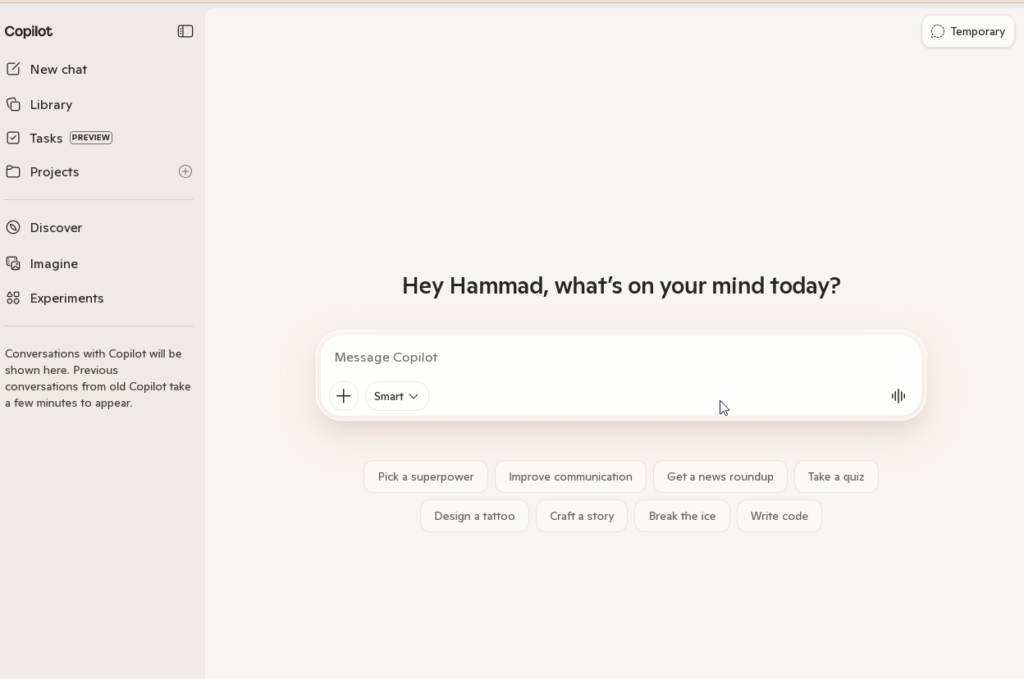
Microsoft Copilot has become one of the AI assistants for businesses that use Microsoft 365. Of working as a chatbot Copilot is built into familiar tools like Word, Excel, PowerPoint, Outlook and Microsoft Teams. This helps people finish tasks faster without having to switch applications.
The biggest advantage of Copilot is that it can understand information across the Microsoft system. It can shorten email threads make reports build presentations from documents look at spreadsheets and even give summaries of meetings, inside Teams. This cuts down on work. Lets employees focus on important jobs.
For companies that already use Microsoft products Copilot provides one of the AI experiences. This makes it very useful for business teams and large companies.
Key Features
- Native integration with Microsoft Word, Excel, PowerPoint, Outlook, and Teams.
- AI-powered meeting summaries and action item generation.
- Creates presentations directly from Word documents.
- Intelligent spreadsheet analysis with charts, formulas, and insights.
- Secure access to organizational data through Microsoft Graph.
Pros
- Deep integration with Microsoft 365 applications.
- Excellent productivity features for business teams.
- Saves significant time on document creation and data analysis.
- Enterprise-grade security and compliance.
- Helpful meeting recaps and email summaries.
Cons
- Full functionality requires a Microsoft 365 subscription.
- Works best for users already invested in Microsoft’s ecosystem.
- Some advanced Excel features require detailed prompts.
Pricing
- Free: Limited web version available.
- Copilot for Microsoft 365: Starting around $20–$30 per user/month.
- Business Plans: Available with Microsoft 365 subscriptions.
Free Plan: Yes (limited functionality)
Best For: Businesses, corporate professionals, finance teams, Microsoft 365 users, and enterprise organizations.
5. Notion
Overview
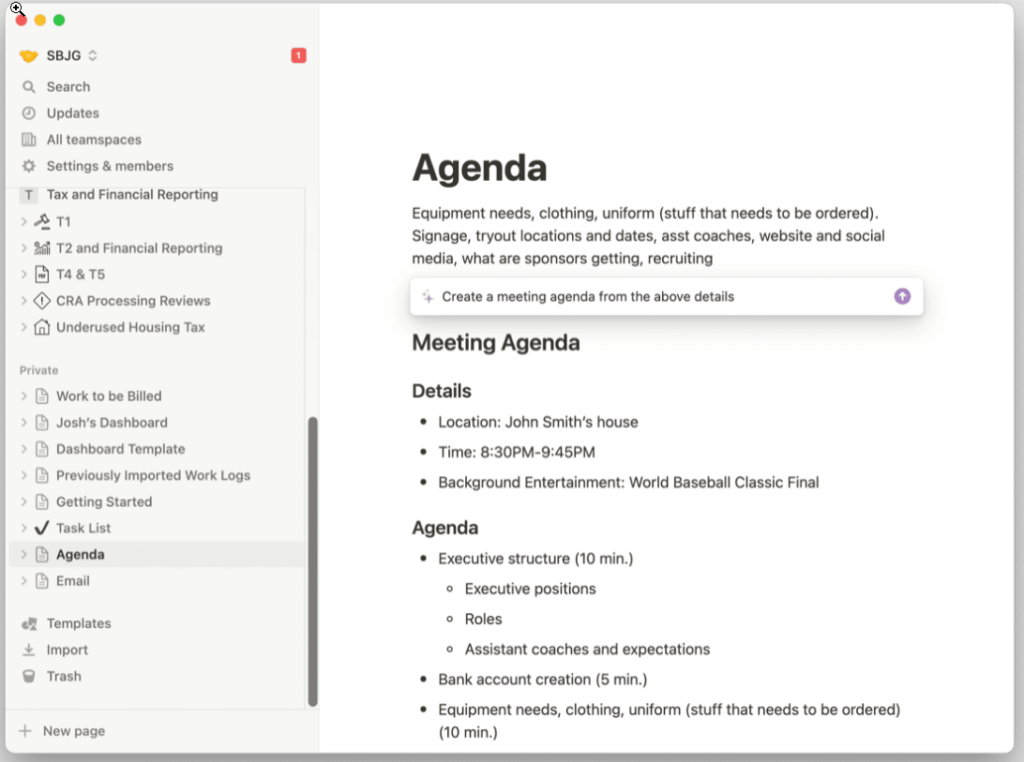
Notion AI brings together note‑taking, documentation, project management and artificial intelligence inside one workspace. When I juggle information across apps Notion AI lets users hold documents meeting notes, project plans, databases and company knowledge all in a single centralized place.
Notion AI makes finding information easy. Of looking manually through folders or databases Notion AI lets users ask questions in plain language and Notion AI quickly pulls relevant information from linked pages and documents.
Notion AI also helps with writing, summarizing, brainstorming ideas translating text, generating action items and automatically organizing amounts of information. These features make Notion AI useful for startups, remote teams, agencies and growing businesses that need a place, for knowledge management.
Key Features
- AI-powered search across documents, notes, and databases.
- Automatic content summaries and document generation.
- Writing assistance for reports, meeting notes, and documentation.
- Smart database management and information organization.
- Custom AI workflows for teams and businesses.
Pros
- Excellent knowledge management platform.
- Keeps documents, projects, and notes organized in one workspace.
- Powerful AI search saves time locating information.
- Clean and user-friendly interface.
- Great collaboration features for remote teams.
Cons
- Advanced AI features require paid plans.
- Learning the database system may take time for beginners.
- Offline functionality is more limited than some desktop applications.
Pricing
- Free — $0,
- AI trial Plus — $10/member/month
- Business — $20/member/month
- Enterprise — Custom
Free Plan: Yes (limited AI trial)
Best For: Startups, agencies, remote teams, product managers, content creators, and businesses managing large knowledge bases.
6. Perplexity
Overview
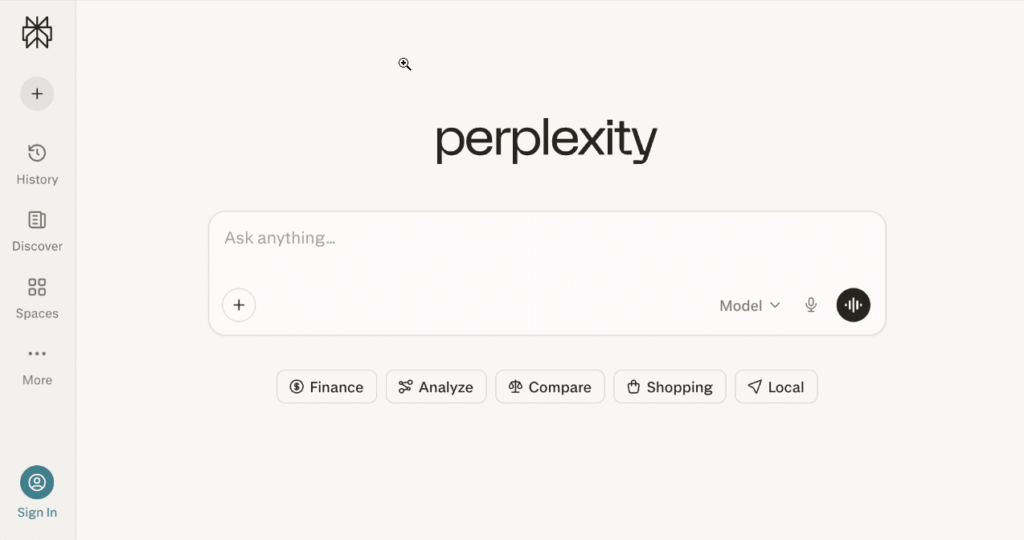
Perplexity AI has changed the way many people look for information on the internet. Of giving many links like a regular search engine it gives direct answers that have support from trustworthy sources.
This is especially helpful for people who do research students, people who work in marketing and other professionals who want information without having to open a lot of websites.
Its Deep Research mode can look through articles, reports and documents before making a clear summary that has references, to the sources it used.
Modern AI research tools make it easier to find reliable information and summarize multiple sources quickly.
Key Features
- AI-powered search with cited sources
- Deep Research for detailed reports
- Real-time web search
- Multiple AI model options
- Team collaboration through Spaces
Pros
- Fast access to trustworthy information
- Excellent citation system
- Great for research-heavy work
- Clean and distraction-free interface
Cons
- Not the strongest option for creative writing
- Daily limits on advanced research features
- Premium plans can become expensive for heavy users
Pricing
- Free: Yes
- Pro: Starts around $20/month
- Enterprise: Custom pricing
Best For
Researchers, students, analysts, journalists, and professionals who depend on verified online information.
7. Grammarly
Overview
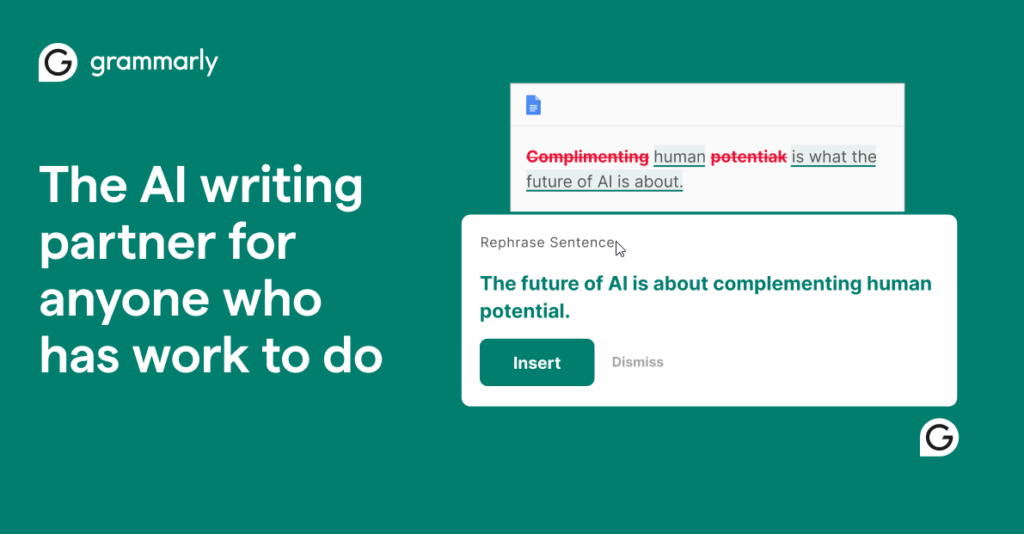
Grammarly has come a way from being just a grammar checker. It has become an AI writing assistant that helps make your writing clearer, more polished and more effective. It looks at your tone, spelling, style and overall message to help you communicate better.
You can use it for all kinds of writing emails, blog posts, reports or posts, on media. The best part is it gives you tips and suggestions away as you type. You don’t have to leave your document or switch programs. Everything happens in one place so your writing flows naturally.
For businesses, it also helps maintain a consistent brand voice across teams.
Key Features
- Grammar and spelling correction
- AI writing assistant
- Tone adjustment
- Plagiarism detection
- Brand style guides
Pros
- Works almost everywhere
- Easy for beginners
- Excellent writing suggestions
- Saves editing time
Cons
- Premium version is relatively expensive
- AI-generated text may sometimes sound generic
- Browser extension can occasionally slow large documents
Pricing
- Free — $0
- Pro — $12/member/month billed annually
- Pro — $30/member/month billed monthly
Best For
Writers, bloggers, students, marketers, freelancers, and business teams.
8. ClickUp
Overview
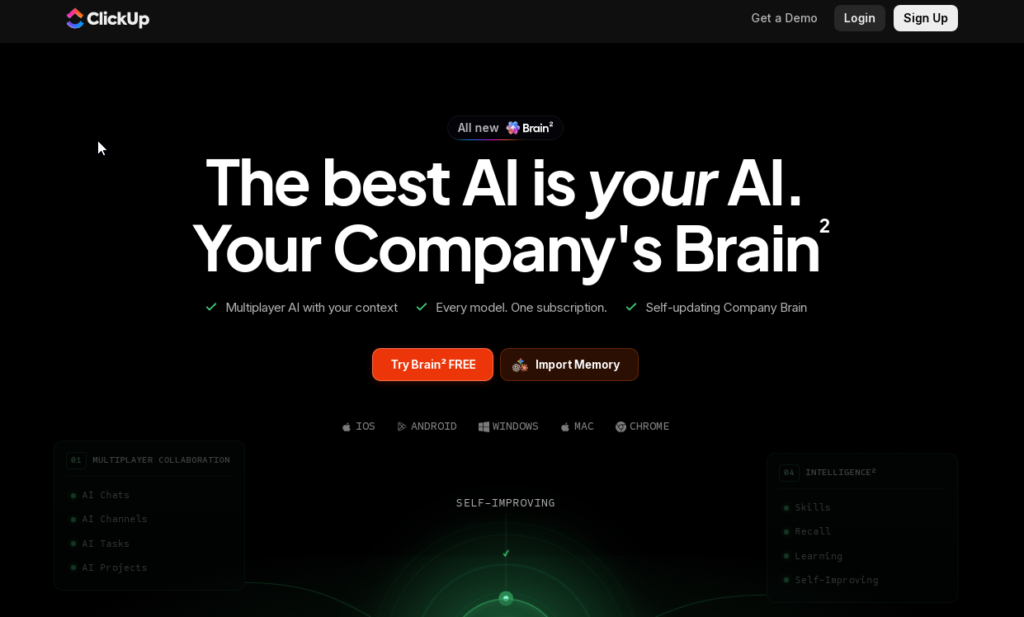
ClickUp combines project management with automation powered by AI to cut down on work.
Of updating every task yourself ClickUp Brain can summarize projects create subtasks, draft documents and answer questions by using your workspace data.
For growing teams managing multiple projects, this significantly reduces administrative work.
Key Features
- AI project summaries
- Automatic task creation
- Workspace search
- Document writing assistant
- Daily standup generation
Pros
- Powerful all-in-one workspace
- Saves time on project updates
- Great collaboration features
- Highly customizable
Cons
- Learning curve for beginners
- AI requires an additional subscription
- Interface may feel overwhelming initially
Pricing
- Free Forever Plan
- Paid Plans: Start around $9/user/month
- ClickUp Brain: Additional AI add-on
Best For
Project managers, startups, agencies, software teams, and remote organizations.
9. Motion
Overview
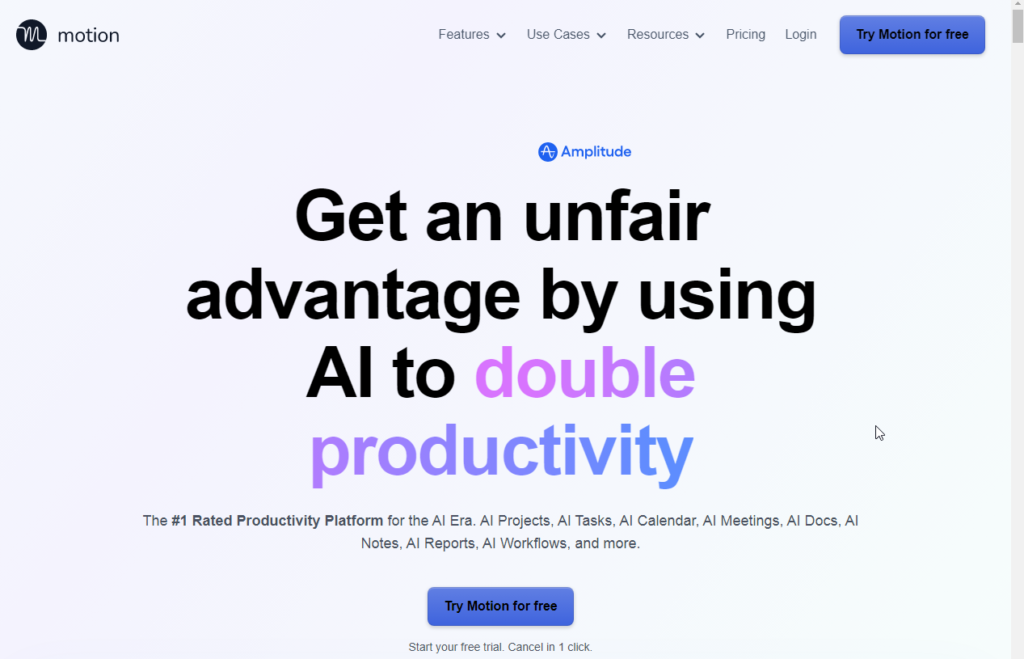
Motion uses intelligence to automatically organize your daily schedule. Of deciding what to work on next, by yourself the platform looks at deadlines, important tasks and free time before creating a calendar that works best.
For people who have schedules AI time management tools can protect their focus time and arrange daily tasks.
Whenever meetings change or new tasks appear, Motion updates the schedule automatically.
Key Features
- AI calendar planning
- Automatic task scheduling
- Smart deadline management
- Focus time protection
- Team workload planning
Pros
- Eliminates manual scheduling
- Excellent deadline management
- Saves planning time
- Great for busy professionals
Cons
- No permanent free plan
- Premium pricing
- Requires consistent task updates for best results
Pricing
- Starts around $19/month
- Free trial available
Best For
Business owners, executives, freelancers, consultants, and professionals with busy calendars.
10. Reclaim
Overview
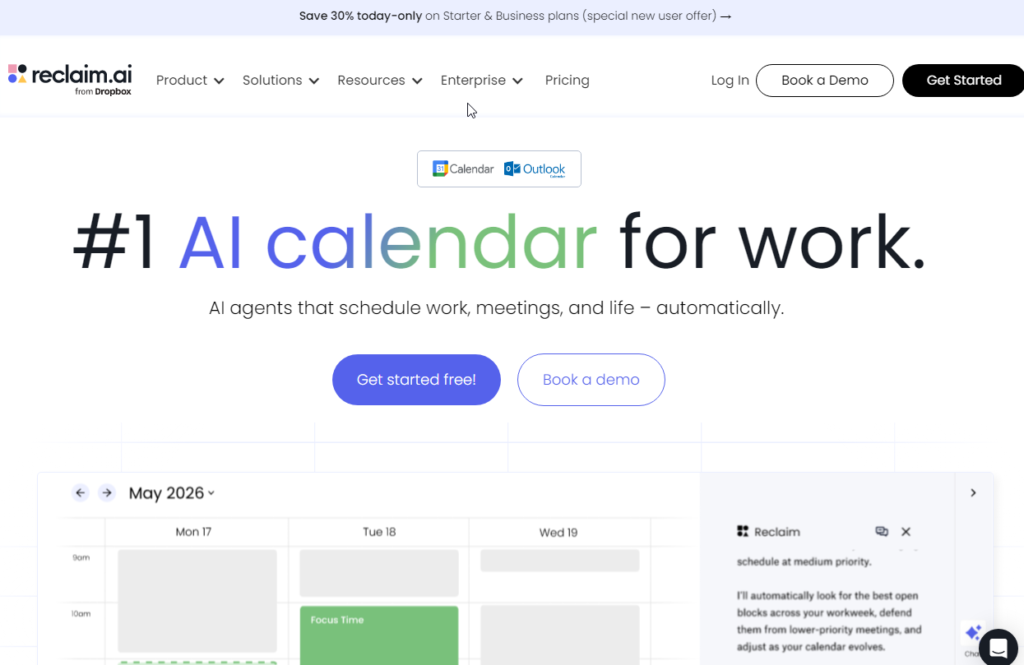
Reclaim AI focuses on protecting your time rather than simply managing your calendar. It automatically schedules work sessions, recurring habits, meetings, and personal routines while continuously adjusting everything when your calendar changes.
This helps professionals maintain productivity without sacrificing work-life balance.
Key Features
- Smart Habits scheduling
- Automatic focus blocks
- Calendar optimization
- Meeting scheduling
- Productivity analytics
Pros
- Excellent work-life balance features
- Automatically protects focus time
- Easy Google Calendar integration
- Minimal setup required
Cons
- Best experience requires Google Workspace
- No permanent free plan
- Limited project management features
Pricing
- Starts around $8–15/user/month
- Free trial available
Best For
Remote workers, managers, developers, and professionals who struggle with meeting overload.
11. Otter
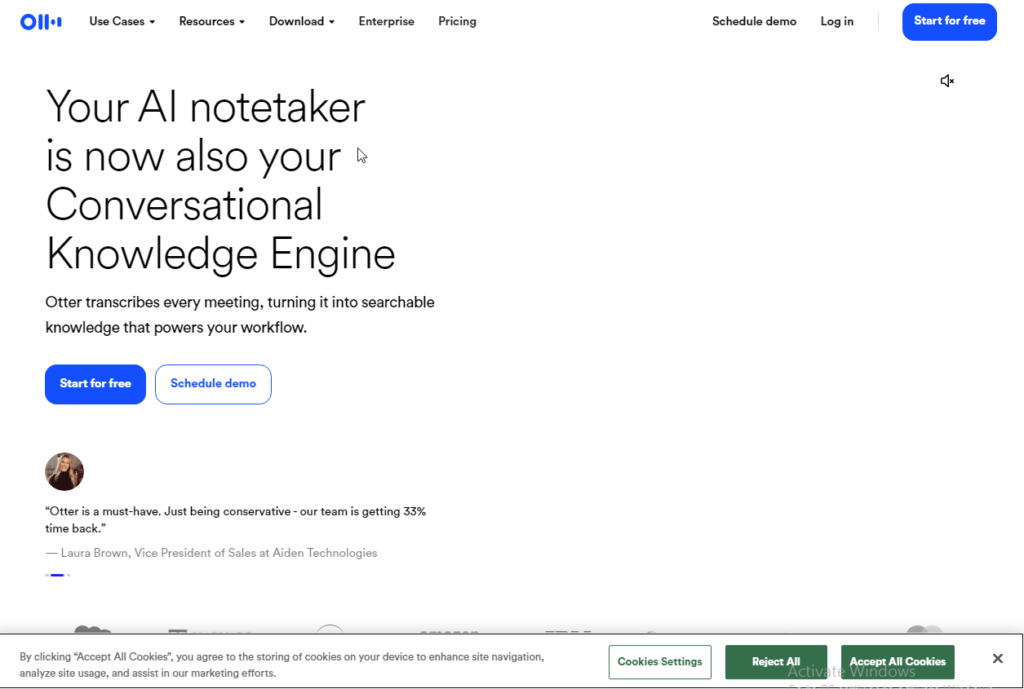
Overview
When you take notes in a meeting you often miss parts of the conversation. Otter AI fixes this by recording everything. Otter AI writes a transcript. Otter AI arranges the notes so you stay fully focused on what’s being said.
Otter AI works with Zoom, Microsoft Teams or Google Meet. Otter AI joins the meeting by itself. Otter AI records everything as the meeting happens.
Recent updates have made Otter AI more powerful, than a transcription tool. Now users can ask questions during the meeting. Users can search the audio. Users can quickly find decisions without interrupting the speaker.
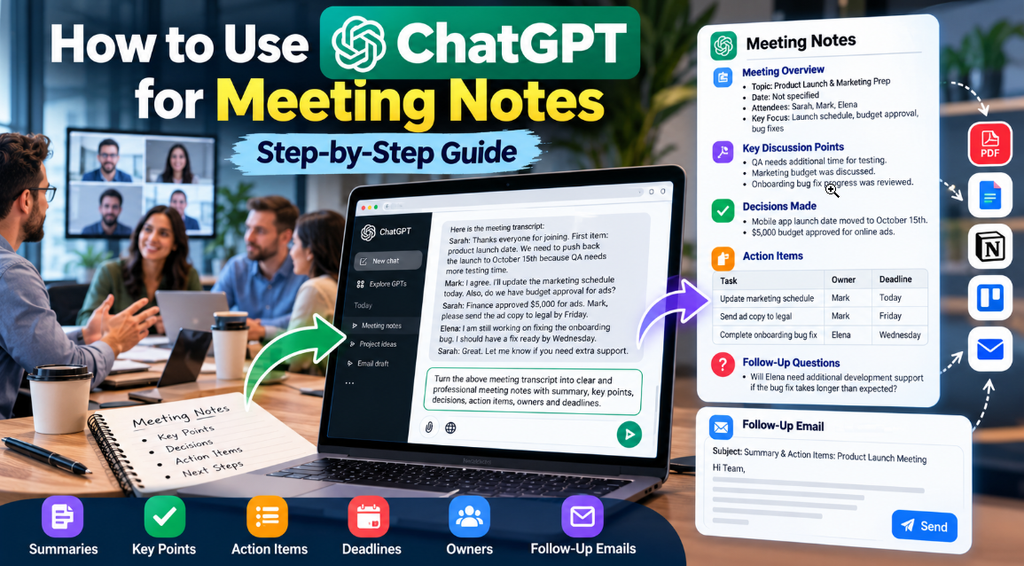
An AI meeting assistant can record conversations, generate transcripts, summarize discussions, and identify action items.
Another useful feature is automatic slide capture, which saves presentation slides alongside the transcript, making future reviews much easier.
Key Features
- Live meeting transcription
- AI-powered meeting summaries
- Interactive AI Chat during meetings
- Automatic action-item detection
- Presentation slide capture
- Zoom, Teams, and Google Meet integration
Pros
- Excellent transcription accuracy
- Fast meeting summaries
- Saves presentation slides automatically
- Easy to use on desktop and mobile
Cons
- Speaker recognition may struggle in crowded conversations
- Free plan has limited transcription minutes
- Advanced integrations require paid plans
Pricing
- Free Plan – Available
- Pro – $8.33/month (annual billing)
- Business – $19.99/month (annual billing)
- Enterprise – Custom pricing
Best For: Students, consultants, journalists, and professionals who attend frequent online meetings.
12. Fireflies
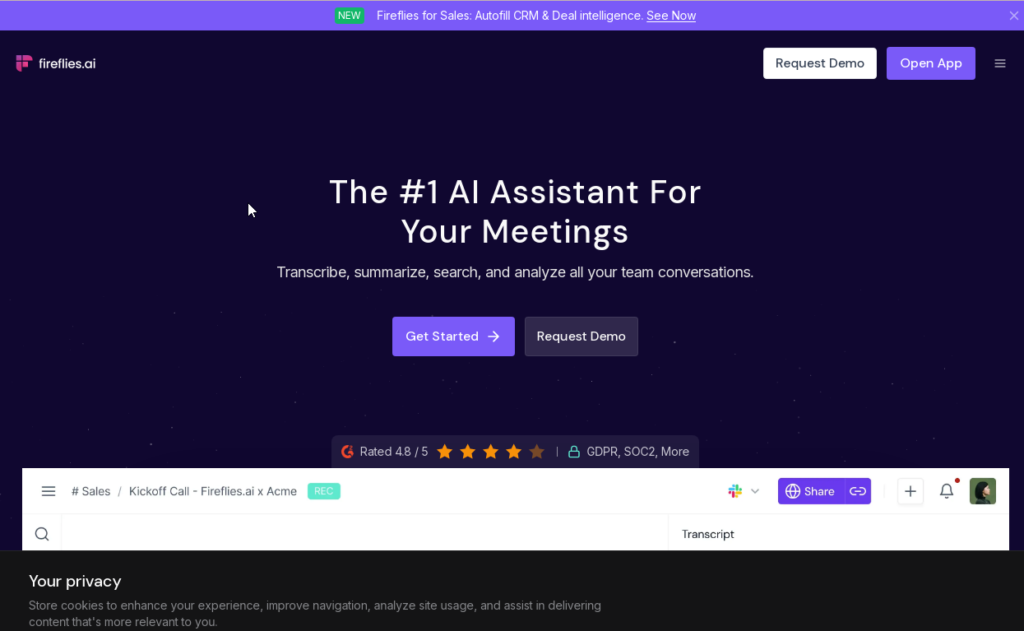
Overview
Fireflies AI is designed for businesses that depend a lot on meetings and talks with customers. It doesn’t just make transcripts. It looks at the conversations finds the topics and updates CRM systems automatically after each call.
The best part about Fireflies is intelligence. The program watches for words, customer concerns, mentions of competitors and how people feel during the conversation. This helps sales teams and customer success teams get better at talking to people, in the future.
Fireflies also works with Salesforce, HubSpot, Slack and many other business tools. This makes the work after meetings entirely automatic.
Key Features
- AI meeting recording
- CRM synchronization
- Conversation analytics
- Sentiment tracking
- Topic detection
- Shareable audio and video clips
Pros
- Outstanding CRM integrations
- Powerful meeting search
- Unlimited transcript storage on Business plans
- Strong enterprise security
Cons
- Limited free storage
- Video recording locked behind higher plans
- Initial setup may take time
Pricing
- Free Plan – Available
- Pro – $10/month (annual billing)
- Business – $19/month (annual billing)
- Enterprise – Custom pricing
Best For: Sales teams, recruiters, customer support departments, and business managers.
13. Gamma
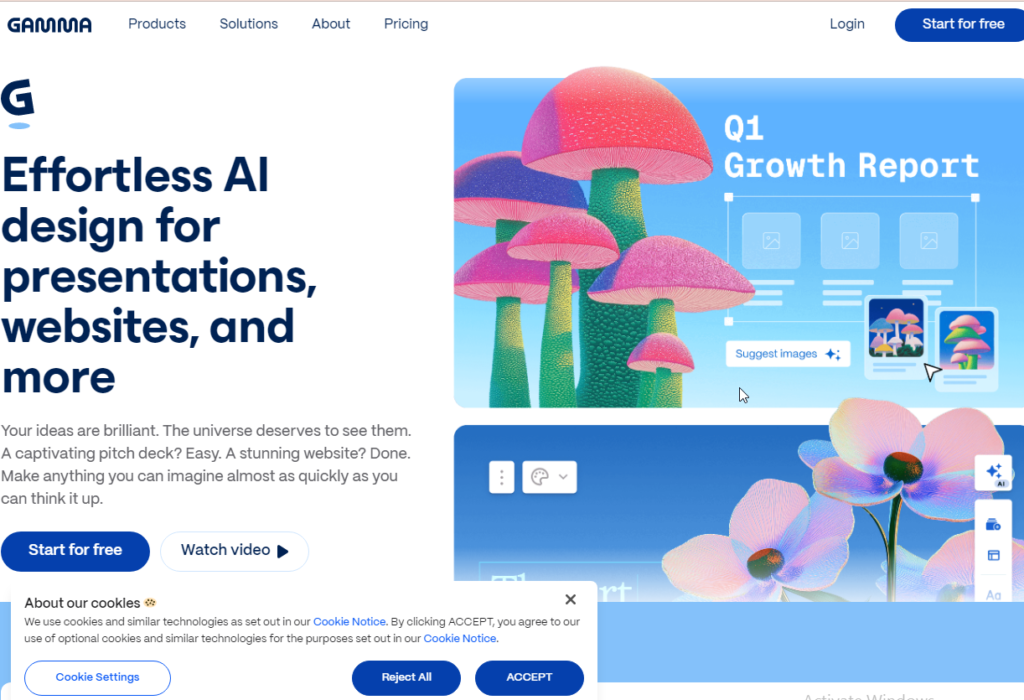
Overview
Creating professional presentations usually takes hours of designing and formatting. Gamma simplifies this process by generating complete presentations from a simple prompt or outline within minutes.
Unlike traditional presentation software, Gamma automatically adjusts layouts, spacing, typography, and visual elements as your content changes. It also supports interactive documents that can include videos, websites, forms, and live charts.
For founders, educators, marketers, and consultants, Gamma dramatically reduces presentation preparation time.
Key Features
- AI presentation generation
- Interactive documents
- Automatic design formatting
- Brand customization
- Analytics for shared presentations
- Website publishing
Pros
- Extremely fast slide creation
- Professional designs without design skills
- Interactive content support
- Great collaboration features
Cons
- Limited lifetime credits on free plan
- Less flexibility than PowerPoint
- Minor formatting changes during exports
Pricing
- Free Plan – Available
- Plus – $8/month
- Pro – $18/month
- Team – Custom pricing
Best For: Teachers, agencies, startups, consultants, and marketing professionals.
14. Mem
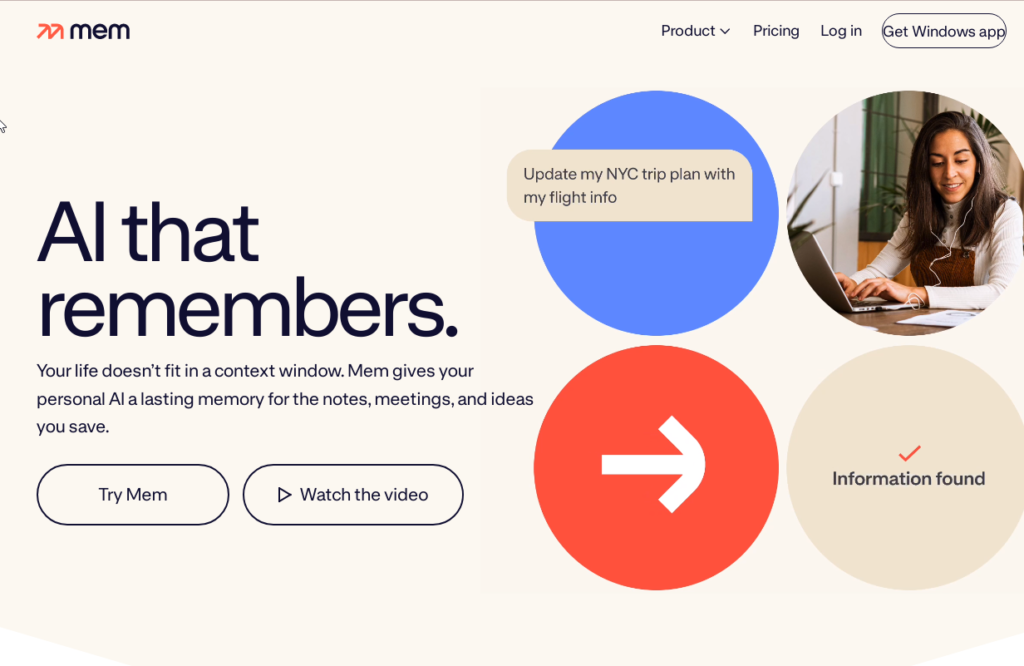
Overview
Traditional note-taking apps require folders, tags, and manual organization. Mem AI removes that complexity by automatically organizing your notes using artificial intelligence.
Instead of worrying where to save information, users simply write. Mem connects related notes automatically, making previous ideas easy to discover later.
Its AI assistant, Mem Chat, can search your personal knowledge base, summarize information, and even help draft new content using your existing notes.
Key Features
- Automatic note organization
- AI-powered search
- Mem Chat assistant
- Context-aware recommendations
- Calendar integration
- Natural language note retrieval
Pros
- No folders or manual organization
- Fast note search
- Clean interface
- Excellent for knowledge management
Cons
- Not designed for project management
- Smaller integration library
- Limited image and PDF capabilities
Pricing
- Free Plan – Available
- Mem Pro – $8.33/month
- Teams – Custom pricing
Best For: Researchers, founders, writers, executives, and knowledge workers.
15. Zapier
Overview
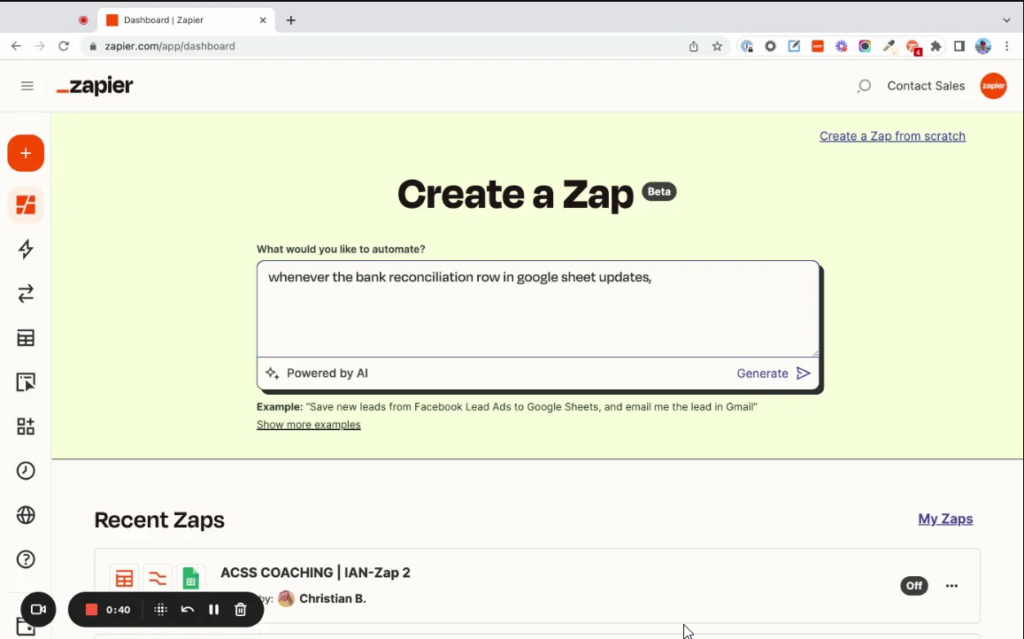
Many businesses use dozens of software tools that don’t naturally communicate with each other. Zapier AI connects these platforms and automates repetitive workflows without requiring coding knowledge.
Instead of manually moving data between apps, users simply describe what they want in plain English. Zapier AI then builds the workflow automatically.
For example, it can generate an email with AI, save customer details in a CRM, create a project task, and notify your team in Slack—all from a single trigger.
Modern AI automation tools can connect different apps and automate repetitive workflows with minimal manual effort.
With support for more than 7,000 applications, Zapier remains one of the most powerful automation platforms available.
Key Features
- AI workflow builder
- Multi-step automation
- AI agents
- Data formatting tools
- Conditional logic
- 7,000+ app integrations
Pros
- Excellent no-code automation
- Huge integration library
- Easy workflow creation using natural language
- Saves hours of repetitive work
Cons
- Pricing increases with task volume
- Advanced automation requires higher plans
- Complex workflows may require occasional troubleshooting
Pricing
- Free Plan – Available
- Professional – $19.99/month
- Team – $103.50/month
- Enterprise – Custom pricing
Best For: Business owners, marketers, operations teams, and companies looking to automate repetitive workflows.
Detailed Comparison of AI Productivity Tools
| Tool | Best For | Key AI Capability | Platforms | Free Plan | Starting Price | Rating |
|---|---|---|---|---|---|---|
| ChatGPT | Everyday productivity | Writing, research, analysis & automation | Web, Windows, macOS, Android, iOS | Yes | From $8/mo* | 4.8/5 |
| Claude | Long documents | Document analysis & long-form writing | Web, macOS, iOS, Android | Yes | $20/mo | 4.8/5 |
| Google Gemini | Google users | AI assistance across Google ecosystem | Web, Android, Google Workspace | Yes | From $19.99/mo | 4.6/5 |
| Microsoft Copilot | Microsoft 365 | AI inside Word, Excel, PowerPoint & Teams | Web, Windows, Microsoft 365 | Yes | From $20/user/mo | 4.6/5 |
| Notion AI | Knowledge management | AI search, writing & workspace assistance | Web, Desktop, Mobile | Limited | From $20/user/mo | 4.7/5 |
| Perplexity | Online research | Search with cited answers & research | Web, Mobile | Yes | $20/mo | 4.7/5 |
| Grammarly | Writing | Grammar, rewriting & tone improvement | Browser, Desktop, Mobile | Yes | From $12/mo* | 4.5/5 |
| ClickUp Brain | Project management | Task summaries, AI search & content generation | Web, Desktop, Mobile | Limited | From $9/user/mo | 4.5/5 |
| Motion | Scheduling | AI task scheduling & calendar planning | Web, Desktop, Mobile | Trial | $19/seat/mo | 4.6/5 |
| Reclaim AI | Calendar optimization | Focus blocks, habits & smart scheduling | Web, Calendar integrations | Yes/Trial* | From $8/user/mo* | 4.6/5 |
| Otter | Meeting transcription | Live transcription, summaries & action items | Web, Desktop, Mobile | Yes | From $8.33/mo* | 4.4/5 |
| Fireflies | Meeting intelligence | Transcription, analytics & CRM workflows | Web, Desktop, Mobile | Yes | From $10/mo* | 4.5/5 |
| Gamma | Presentations | AI-generated presentations & documents | Web | Yes | From $8/mo* | 4.6/5 |
| Mem | Personal knowledge | AI note organization & retrieval | Web, Desktop | Yes | From $8.33/mo* | 4.3/5 |
| Zapier | Automation | AI workflows, agents & app automation | Web | Yes | From $19.99/mo* | 4.7/5 |
Buying Guide: Which AI Productivity Tool Should You Choose?
The ideal AI productivity app depends on your daily workflow rather than simply selecting the most popular option. Instead of paying for several overlapping subscriptions, choose tools that solve your biggest productivity challenges.
For users on a budget, several free AI productivity tools provide useful features without requiring a paid subscription.
Best for Students
Students need reliable research, writing assistance, and presentation tools. Students can use AI tools for students to research topics, summarize information, prepare presentations, and understand difficult concepts.
Recommended Tools
- Perplexity AI for research with citations
- ChatGPT for explanations and brainstorming
- Gamma for creating presentations
Best for Freelancers & Professionals
If your work involves writing, consulting, client communication, or project planning, these tools offer the best value.
The right AI tools for work can help professionals spend less time on repetitive administrative tasks.
Recommended Tools
- Claude for long-form writing
- ChatGPT for everyday AI assistance
- Motion for schedule management
Best for Businesses
Teams working inside Microsoft or Google ecosystems benefit the most from native integrations. For companies, AI tools for business can improve collaboration, automate workflows, and reduce repetitive administrative work.
Recommended Tools
- Microsoft Copilot
- Google Gemini
- Notion AI
Best Free AI Productivity Tool
If you’re looking to avoid monthly subscriptions, these free options provide excellent value.
- ChatGPT
- Perplexity AI
- Grammarly
- Otter AI
Best for Team Collaboration
For remote teams and growing companies:
- Notion AI
- ClickUp AI
Best for Meeting Notes
Need automatic meeting summaries?
- Fireflies AI
- Otter AI
Best for Writing
For content creators and professionals:
- Claude
- Grammarly
Best for Scheduling
If calendar management consumes too much time:
- Motion
- Reclaim AI
Best for Automation
To automate repetitive work:
- Zapier AI
Inshort
Best Overall
ChatGPT
Best for Long Documents
Claude
Best for Google Users
Gemini
Best for Microsoft Users
Copilot
Best for Knowledge Management
Notion
Best for Research
Perplexity
Best for Writing
Grammarly
Best for Project Management
ClickUp
Best for Scheduling
Motion
Best for Calendar Optimization
Reclaim
Best for Meeting Transcription
Otter
Best for Meeting Intelligence
Fireflies
Best for Presentations
Gamma
Best for Personal Knowledge
Mem
Best for Automation
Zapier
Frequently Asked Questions (FAQs)
What is the best AI productivity tool in 2026?
ChatGPT remains the most versatile option thanks to its writing, reasoning, research, coding, and automation capabilities. Claude and Google Gemini are also excellent depending on your workflow.
Are free AI productivity tools good enough?
Yes. Free versions of ChatGPT, Perplexity AI, Grammarly, and Otter AI cover most everyday productivity needs. Paid plans mainly add higher limits and advanced features.
Which AI tool is best for research?
Perplexity AI is one of the strongest research assistants because it provides real-time information with source citations. ChatGPT and Gemini are also useful for summarizing and explaining complex topics.
Which AI tool is best for writing?
Claude is known for producing natural, human-like writing, while Grammarly improves grammar, clarity, and tone. ChatGPT is a great all-round option for drafting blogs, emails, and reports.
Which AI tool helps with meetings?
Otter AI and Fireflies AI automatically record meetings, generate transcripts, summarize discussions, and identify action items, making them ideal for remote teams.
What is the best AI scheduling assistant?
Motion automatically organizes tasks around your calendar, while Reclaim AI focuses on protecting focus time and maintaining healthy work-life balance.
Can AI automate repetitive work?
Yes. Zapier AI connects thousands of applications, allowing you to automate tasks such as lead management, notifications, document creation, and data transfers without coding.
Are AI productivity tools secure?
Most leading platforms provide enterprise-grade security, including encryption, privacy controls, and compliance standards such as SOC 2 and GDPR. Business plans usually offer stronger data protection than free versions.
Conclusion
AI productivity tools have come a way. They are no longer simple chatbots. These tools now help with managing calendars organizing information automating tasks, summarizing meeting notes, improving written content and making teamwork smoother.
If you want one assistant that can handle many things ChatGPT is still our top choice. It does well across kinds of work.. The best results often come from using several tools together. Each tool focuses on a job. For example:
- ChatGPT or Claude for writing and reasoning
- Motion or Reclaim AI for smarter scheduling
- Notion AI or ClickUp AI for project management
- Zapier AI for workflow automation
Choosing tools that match your workflow can save hours each week, reduce manual work, and help you focus on high-value tasks. Whether you’re a student, freelancer, entrepreneur, or enterprise team, the right AI productivity stack can significantly improve efficiency and overall performance.
Related Articles
Best AI Writing Tools 2026: 15 Best AI Writers Compared
Compare the top AI writing assistants for blogging, copywriting, SEO, and content creation.
Best AI Image Generators 2026: 12 Best AI Art Tools Compared
Explore the leading AI image generators for creating stunning artwork, logos, and realistic visuals.
Best AI Chatbots 2026: 10 Best AI Assistants Compared
Find the best AI chatbots for productivity, research, coding, and everyday tasks.
Best AI Coding Tools 2026: Features, Pricing, Pros & Cons
Discover the best free and paid AI tools to supercharge your coding
Pingback: What Is Artificial Superintelligence (ASI)? Definition, Benefits & Risks - AI Crest Lab
Pingback: What Is Generative AI? Definition, Examples, Benefits & Risks - AI Crest Lab
Pingback: What Is an AI Agent? Definition, Examples, Types & Risks - AI Crest Lab